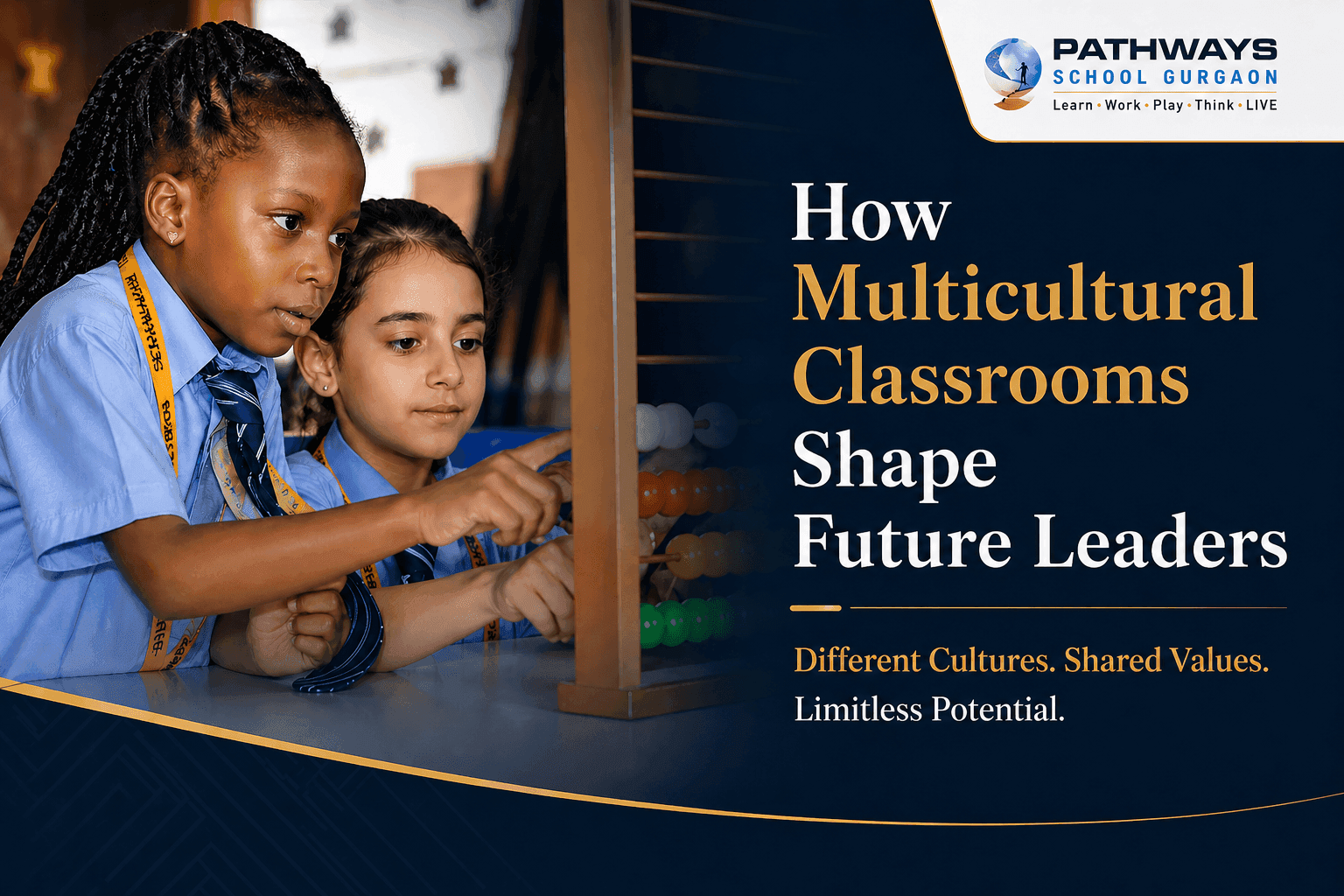
How Multicultural Classrooms Shape Future Leaders
Pathways Team
Verified Author
There’s something truly special about walking into a multicultural classroom. Whether you’re a student, parent, teacher, or education enthusiast, you can feel the energy of different backgrounds, languages, and perspectives coming together in one place. Today, we’re digging into how multicultural classrooms are quietly (and persistently) shaping the future leaders of our world. From boosting empathy to strengthening global thinking, these unique spaces are building skills that matter-in life, leadership, and beyond.
Why Multicultural Classrooms Matter Now More Than Ever
Picture this: kids working on a group project where each member grew up in a different country, speaking a different language at home. They collaborate, negotiating differences and learning not just the subject, but about each other. That’s the beauty of diversity in classrooms. The world is getting smaller. We’re constantly connecting across borders-through technology, travel, business, and culture. If we want our next generation to thrive, they need to know how to understand, adapt, and lead globally.
Multicultural classrooms aren’t just about ticking a box for “inclusive education.” They’re rich environments where every lesson doubles as life training. Students who grow up surrounded by cultural diversity in schools often become more open-minded, emotionally intelligent, and prepared for leadership in a connected world.
Fostering Empathy and Understanding
Empathy is the cornerstone of great leadership. In a multicultural classroom, students are exposed to different backgrounds daily. They hear stories from classmates whose cultures might have different holidays, foods, or traditions. This regular exposure makes understanding and respecting others second nature.
You might see kids sharing their home language during a poetry unit or teaching their peers how to celebrate a festival. It’s not just fun-it’s powerful life experience. The ability to step into someone else’s shoes is sharpened every day, preparing them to manage diverse teams or handle global projects later in life.
Building Adaptability and Problem-Solving Skills
It’s no secret that the workplace (and the world) rewards adaptability. In multicultural classrooms, students practice flexibility in real-time. They negotiate cultural differences, sometimes dealing with language barriers or new ways of thinking. When group work involves brainstorming solutions from several cultural viewpoints, everyone’s critical thinking muscles get a workout.
This isn’t just about social skills. It’s about learning to approach problems creatively seeing options that others might not, and being comfortable with uncertainty. Those are key traits for anyone hoping to develop global leadership skills.
Boosting Communication in Diversity
Good communication is more than speaking clearly. It means being able to listen, consider, and respond thoughtfully even when the conversation feels unfamiliar. Students in multicultural classrooms quickly learn how to articulate ideas for audiences who may see things differently.
The real-world benefit? They become comfortable talking through misunderstandings, asking clarifying questions, and making room for multiple viewpoints. These are the same competencies needed to lead cross-cultural teams or engage in international negotiations.
Encouraging Global Thinking
When kids regularly encounter classmates from around the globe, their sense of the world widens. They start to see connections between what’s happening locally and what’s happening elsewhere. Lessons often include global case studies, literature from diverse authors, or collaborative projects with schools abroad. This transforms the classroom into a launchpad for multicultural education benefits that extend way past graduation.
Leaders who think globally can navigate broader challenges from climate change to international business—because they’re comfortable engaging with different viewpoints and experiences.
Practical Tips: Making the Most of Multicultural Education
Want to create or support multicultural classrooms? Here are some simple ways to foster inclusive education and celebrate cultural diversity in schools:
Encourage students to share cultural stories or traditions during relevant lessons.
Use books, films, and case studies that represent a range of voices and nations.
Create opportunities for teamwork involving students from diverse backgrounds.
These tips spark meaningful conversations, help everyone feel more included, and boost their ability to thrive in the wider world.
What to Look for in a Diverse Classroom Setting
Thinking about choosing a multicultural school for your child or yourself? Here’s what to keep in mind for quality and sustainability:
Check that school activities and curriculum reflect genuine cultural diversity—not just lip service.
Ask if the teaching staff receive regular training in inclusive education and multicultural awareness.
Look for evidence of open dialogue—a culture where differences are celebrated and respected, not just tolerated.
Trusted schools will have clear anti-discrimination policies, support networks for non-native speakers, and a history of successful cross-cultural projects.
Conclusion: Shaping Tomorrow’s Leaders Together
Multicultural classrooms aren’t just a trend-they’re tomorrow’s foundation. By fostering empathy, adaptability, and global leadership skills, these spaces give students a clear head start toward success in our diverse and connected world. Whether you’re a parent exploring school options, a teacher refining your approach, or a lifelong learner, supporting inclusive education pays off-not only for individuals, but for society as a whole.
Ready to make a difference? Start by championing diversity in classrooms, celebrating every culture, and keeping an open mind. Share your own experiences or seek out opportunities to connect with others from different backgrounds. Your next step could launch a future leader-and a better world.
Frequently Asked Questions
Multicultural classrooms foster empathy, adaptability, and global thinking, essential traits for future leaders. By exposing students to diverse perspectives, they enhance communication and problem-solving skills, making them more effective in today's connected world.
Diversity in classrooms encourages students to engage with different cultures and perspectives, improving their adaptability and interpersonal skills. These experiences cultivate global leadership skills, preparing students to navigate and lead in diverse environments.
Inclusive education ensures that every student, regardless of background, has the opportunity to learn and participate. This approach promotes equality and empathy, which are crucial for developing leaders who can understand and address the needs of diverse populations.
Cultural diversity in schools exposes students to a broad range of perspectives and ideas. This diversity fosters creative thinking and enhances problem-solving skills as students learn to approach challenges from multiple angles and develop innovative solutions.
Multicultural education plays a vital role in shaping global leadership skills by providing students with a deep understanding of global cultures and issues. This education prepares them to lead with cultural sensitivity and to make informed decisions in a variety of international contexts.
Educators can promote the benefits of multicultural education by incorporating diverse materials and perspectives into their curriculum, encouraging open dialogue, and creating an inclusive environment where all students feel valued and heard.