Building Confidence in Children Through Experiential Learning
Pathways Team
Verified Author
If you’ve ever watched a child proudly solve a puzzle on their own or share an enthusiastic story about building something from scratch, you know the joy—and self-assurance—these moments bring. The journey to building confidence in children isn’t a one-size-fits-all path. One of the richest, research-backed approaches is experiential learning for kids: guiding children through hands-on activities, real-life tasks, and authentic challenges. As a business owner, educator, or parent in a thriving community like Pathways School Gurgaon (PSG Gurgaon), understanding the power of learning through experience not only benefits children’s growth, but also shapes your school or organization’s culture.
Why Experiential Learning Matters for Confidence in Children
Children aren’t born confident—they become confident by trying, failing, reflecting, and trying again. Think about a young student who designed a mini-garden for a classroom project: watering plants, adjusting sunlight, and solving problems when leaves wilt. Every step, success or setback, helps them realize “I can figure this out.” That’s the core of experiential learning for kids.
Culturally, parents and educators want children to thrive not just academically, but as curious problem-solvers who believe in themselves. In a fast-changing world, resilience and confidence are essentials for tomorrow’s leaders. Experiential learning bridges the gap between classroom lessons and real-world know-how, providing a space where children’s efforts translate into visible results. Schools like PSG Gurgaon are embracing these methods to nurture confident, adaptable students equipped for life beyond textbooks.
Core Elements of Experiential Learning for Kids
Real-World Engagement: Learning Beyond the Desk
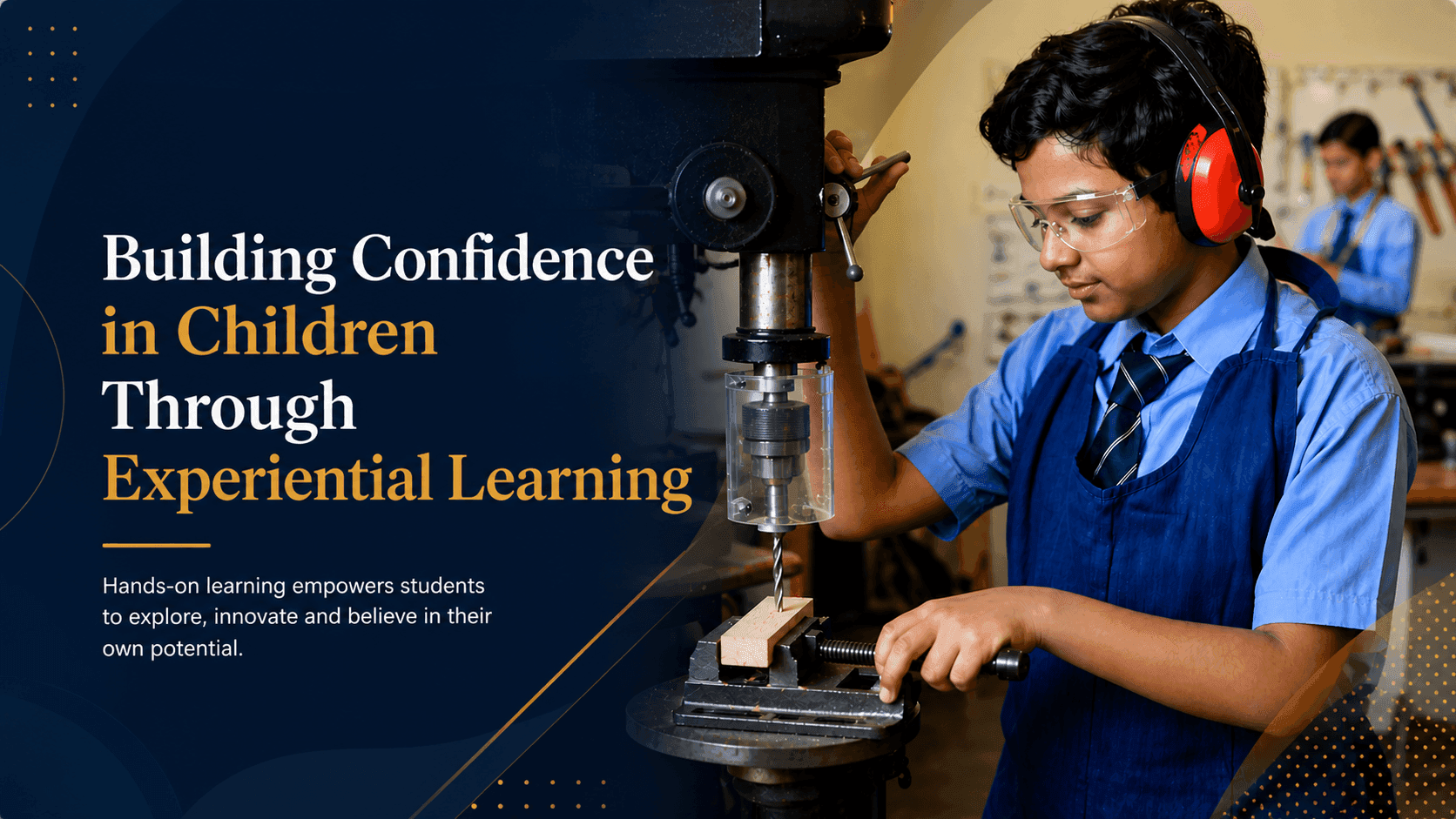
The heart of experiential learning is moving from “knowing” to “doing.” Unlike traditional, sit-and-listen lessons, experiential learning for kids invites children to tackle messy, open-ended challenges designing a science experiment, co-creating a play, or building a model bridge from everyday materials. At Pathways School Gurgaon, you’ll find students learning coding by developing a simple app, or understanding ecosystems by exploring the campus garden. These opportunities help children connect theory to practice, which is proven to boost self-esteem and ownership over their learning.
Problem-Solving Skills and Resilience
Real confidence doesn’t come from always getting things right. It grows when children face obstacles, brainstorm solutions, and learn from their mistakes. Hands-on learning activities whether launching rockets in a physics class or managing a classroom fundraiser help children build resilience. They learn that setbacks are a step, not a failure. According to child development techniques used by leading educators, this kind of challenge-based learning is more likely to foster the “I can do this” attitude than passive instruction.
The Role of Feedback and Reflection
Learning through experience isn’t just about doing it’s also about thinking back. Positive, actionable feedback from teachers and peers, paired with moments to reflect, lets children see how far they’ve come. At PSG Gurgaon, students might share their project journey with the class or think through what worked, what didn’t, and what they’d change next time. This cycle turns experience into wisdom, and self-doubt into self-assurance.
Practical Strategies: Supporting Experiential Learning for Kids
Simple Ways to Encourage Hands-On Learning Activities at Home and School
Set up open-ended projects where children choose their approach like planning a family meal or creating a short video about a passion.
Ask open questions (“What do you think might happen if…?”) to spark curiosity and problem-solving.
Schools such as Pathways School Gurgaon offer rich environments flexible classrooms, accessible resources, and supportive teachers that make real-world, hands-on learning part of daily life. At home, parents can nurture confidence with real-life tasks, from organizing birthday celebrations to managing a small budget for a craft project. The key is letting kids take the lead, stumble safely, and strive again.
Tips for Parents and Teachers to Build Confidence Through Experience
Acknowledge effort and improvement, not just the end result helping children value persistence as much as achievement.
Allow room for mistakes and guide children to find solutions, fostering ownership and resilience.
These methods are at the heart of trusted child development techniques, ensuring children grow not just in knowledge, but also in belief in their abilities.
What to Look for in a School or Program Focused on Experiential Learning
If you’re considering a shift toward experiential learning for kids whether as a parent, school leader, or business owner it’s worth taking a closer look at how programs are designed. Here’s what to keep in mind:
Quality of the curriculum: Seek a balanced blend of academic challenge and hands-on opportunities, like you’ll find at PSG Gurgaon, where teachers integrate projects, outdoor learning, and service initiatives.
Sustainable practices: Do schools use local materials, encourage responsible choices, and link activities to real community issues? Meaningful experiences deepen when they contribute to a larger purpose.
Of course, a supportive, flexible environment where students feel heard and empowered makes all the difference in building confidence in children.
Conclusion: Building Confident Children, One Experience at a Time
Confidence doesn’t develop overnight. It’s nurtured with every hands-on experiment, every group project, and every challenge that encourages kids to try, reflect, and try again. Experiential learning for kids, as practiced at Pathways School Gurgaon and similar forward-thinking institutions, gives children ownership of their learning journey and the freedom to discover what they can really do.
Whether you’re a parent, teacher, or business owner invested in education, consider how hands-on, real-life experiences can transform a child’s self-belief. Your support by encouraging exploration and celebrating small wins lays the foundation for lifelong confidence.
Ready to see more confident, capable learners? Explore ideas, visit your local school, or reach out to Pathways School Gurgaon to see experiential learning in action. The first step to fostering confidence in a child’s life may start with a single, meaningful experience.
Frequently Asked Questions
Experiential learning for kids boosts confidence by providing them with hands-on learning activities that encourage them to explore, solve problems, and learn through experience. It empowers children to take initiative and build self-trust in their abilities.
Pathways School Gurgaon offers various hands-on learning activities, such as science experiments, interactive art projects, and outdoor exploration, all designed to enhance child development and build confidence through real-life experiences.
PSG Gurgaon is renowned for its innovative child development techniques that focus on experiential learning. They integrate a curriculum that involves active participation, critical thinking, and personalized learning approaches to foster confidence in children.
Building confidence in children through experiential learning helps them become more resilient, adaptable, and capable. It encourages independent thinking, enhances problem-solving skills, and fosters a growth mindset, preparing them for future challenges.
Parents can support their children’s learning through experience at home by encouraging exploration and providing opportunities for hands-on activities, such as cooking, gardening, or building projects. Supporting curiosity and celebrating their achievements can further boost confidence.
Real-life experiences play a crucial role in experiential learning for kids by providing authentic contexts where children apply their knowledge. This type of learning solidifies understanding, encourages active engagement, and builds confidence in applying skills in practical situations.